
Safety cameras that give drivers a 360° view of the space around their vehicles can prevent many potentially fatal accidents, says the car review website dogandlemon.com.
Editor Clive Matthew-Wilson, who is an outspoken road safety campaigner, says many cyclists, pedestrians and even cars are sometimes invisible to some drivers.
“The technology exists, here and now, to show a driver what’s going on around his or her entire vehicle, even on an older vehicle. In addition, beeping warning sensors can also alert drivers when another vehicle, cyclist or pedestrian is close to their vehicle. This is lifesaving technology, and it should be fitted to every vehicle immediately.”
"These ‘Bird’s-eye’ cameras (also called 360° cameras) are increasingly common on newer trucks and cars, but are also easily fitted to older models."
Matthew-Wilson believes the recent driveway death of 21-month-old Satvik Kumar Nainwal could have been prevented if the driver had been aware the child was there.
Matthew-Wilson says there are multiple examples where blind spots are potentially fatal:
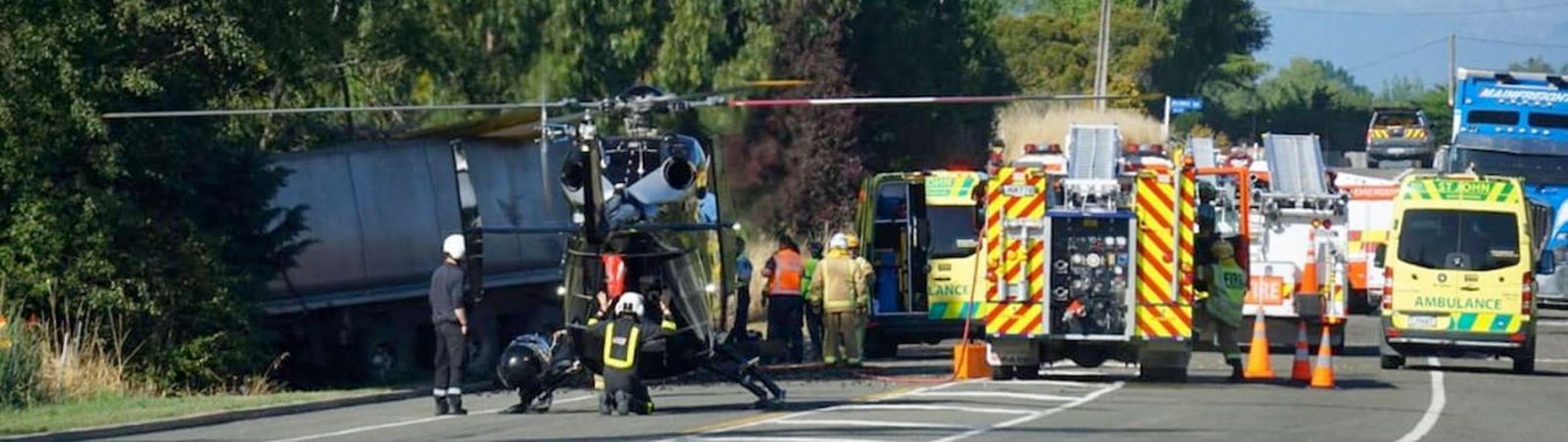
“The recent accident involving a truck and the son of former TV star Susan Wood also occurred because the truck driver did not see Mr Wood."
Beck, 33, was driving in the northbound left-hand lane of the Auckland motorway near the Market Road on-ramp, when a truck travelling in the middle lane changed lanes and ploughed into the back of his car.
Bird’s-eye cameras for large trucks and buses typically cost several thousand to install.
Smaller camera systems for light vans and ordinary cars typically cost between $500 and $2500, depending on type and cost of installation.
Matthew-Wilson says there’s no longer any excuse for vehicles to have blind spots.
“Mirrors on vehicles have been around since the nineteenth century. Mirrors generally show only a small portion of what’s happening around the vehicle. It’s time all vehicles were fitted with technology that shows the driver what’s actually going on.”
